Supersonic flow · Turbomachinery CAD Flight simulation · University of Toledo
Selected work
Projects
Supersonic Drag Reduction via Surface Texturing
GE Aerospace Senior Design · Fall 2026
Single-Spool Axial Turbojet
Personal CAD project · SolidWorks 2026
6-DOF Flight Simulation
Python · FlightGear 2024 · MPC
About
Building things that fly, and the tools to prove they work.
I'm an engineering student at the University of Toledo. My work sits where aerodynamics, CAD and code meet: designing a Mach 2.5 nozzle by the method of characteristics, scripting a full turbojet in SolidWorks, and driving a six-degree-of-freedom flight simulation in real time.
For my GE Aerospace senior design project, our team is testing whether shark-skin-inspired riblets can cut skin-friction drag in supersonic flow. I designed the 3D-printed converging-diverging nozzle that takes our test stand past Mach 1, and modeled the drag reduction we expect to measure.
In my coursework in aerospace navigation, control and flight simulation I've built a 6-DOF simulation with model predictive control, and outside class I build personal projects like a macro-generated turbojet to learn turbomachinery layout by doing.
GE Aerospace Senior Design (Project 18)University of ToledoFall 2026
Supersonic Flow Drag Reduction via Surface Texturing
WhenFall 2026, University of Toledo
TeamNoah Bittel (lead), Jonathan Baughey, Ben Brunswick, Conor Cooper
Advisor / ClientDr. Sojoudi · Chris Mathias, GE Aerospace
Can shark-skin-inspired riblets reduce skin-friction drag above Mach 1? Riblets are proven in subsonic flow but largely untested in supersonic converging-diverging (CD) nozzle flow.
Test facility
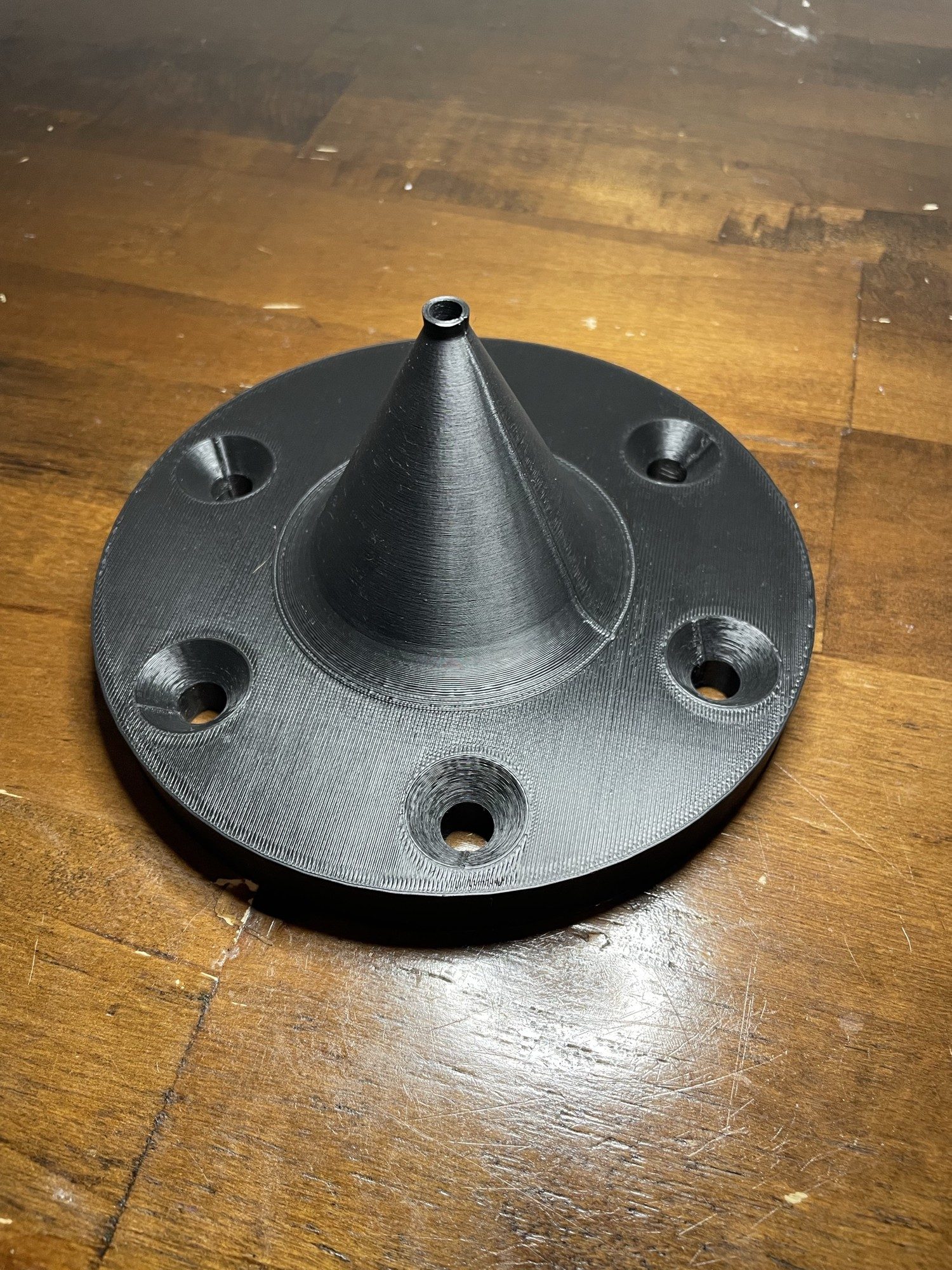
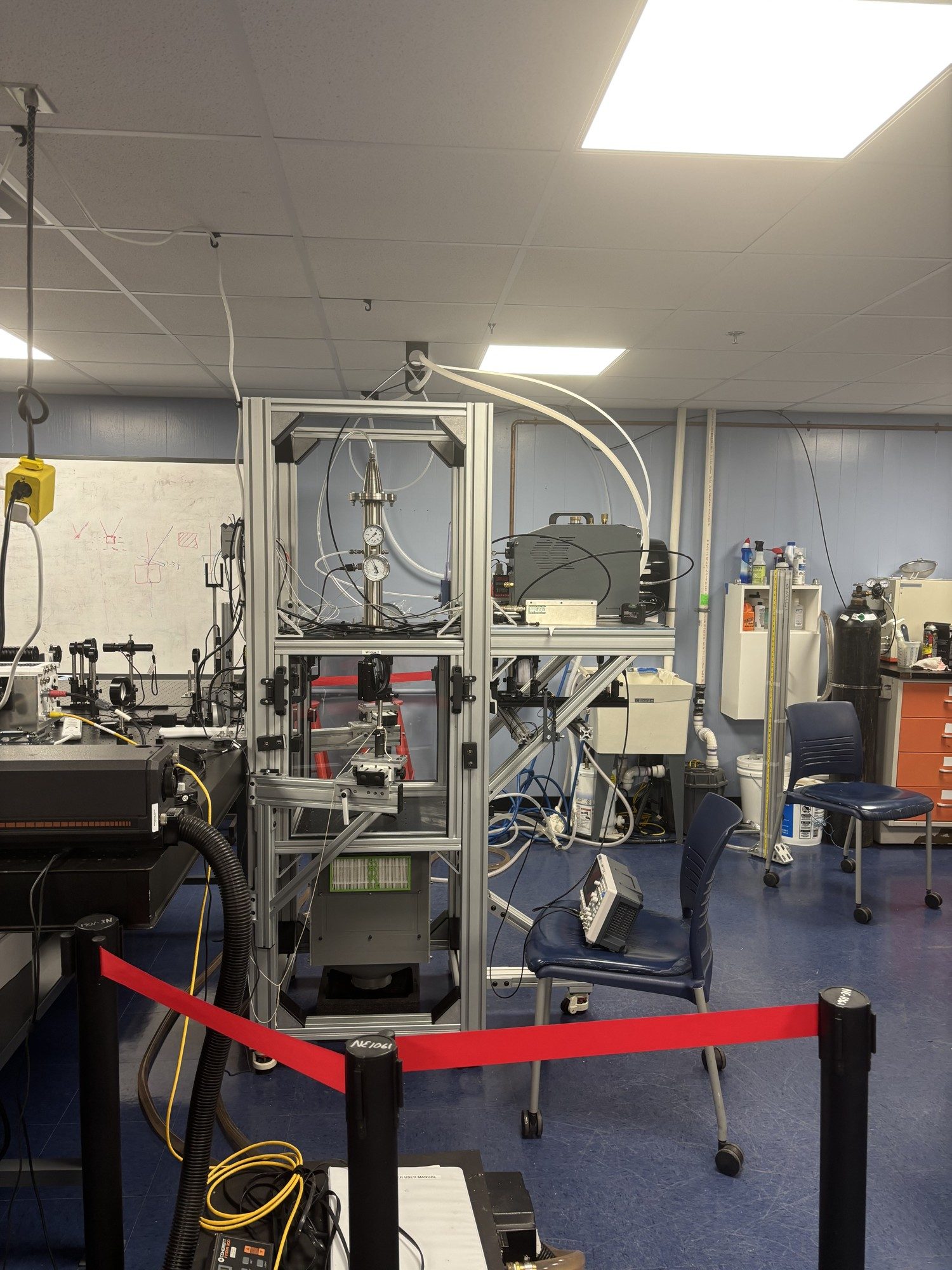
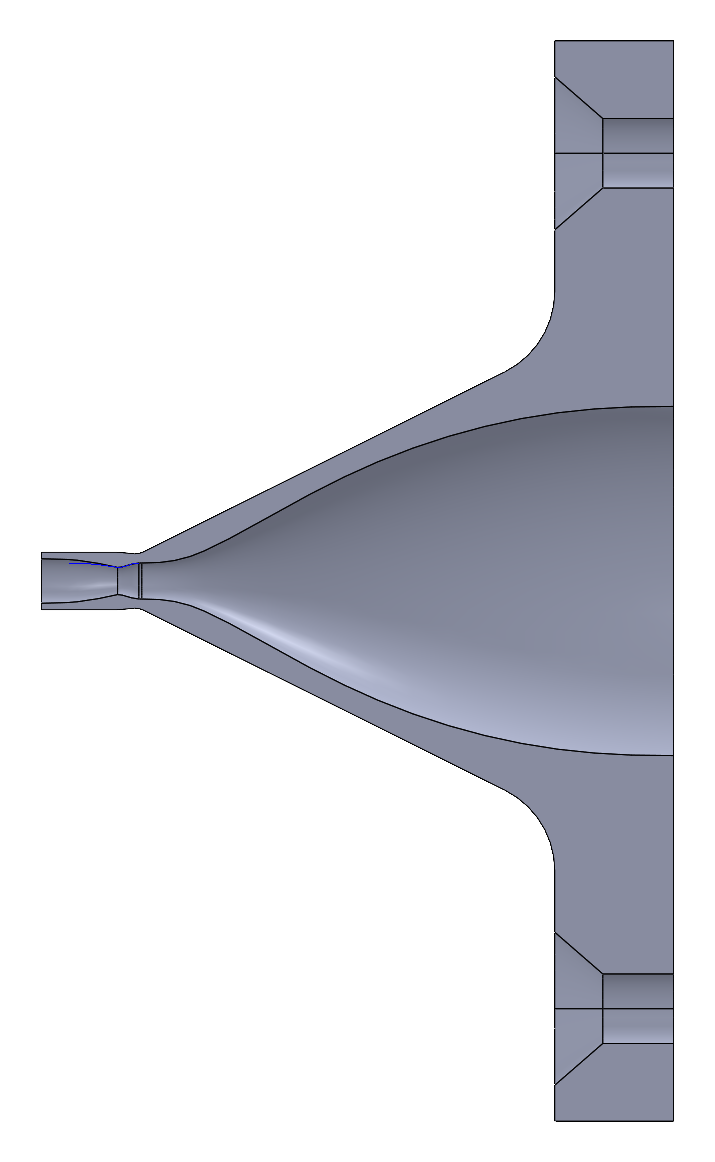
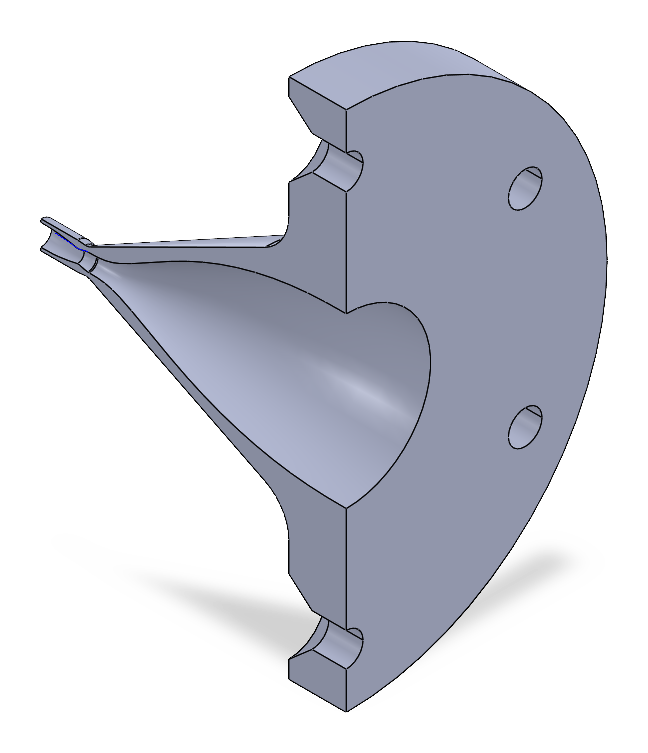
UT's 0.2-inch supersonic facility only reaches Mach 1 because its converging nozzle chokes at the exit. We designed and 3D printed a CD nozzle extension to produce supersonic flow, with the textured test plate mounted downstream of the exit.
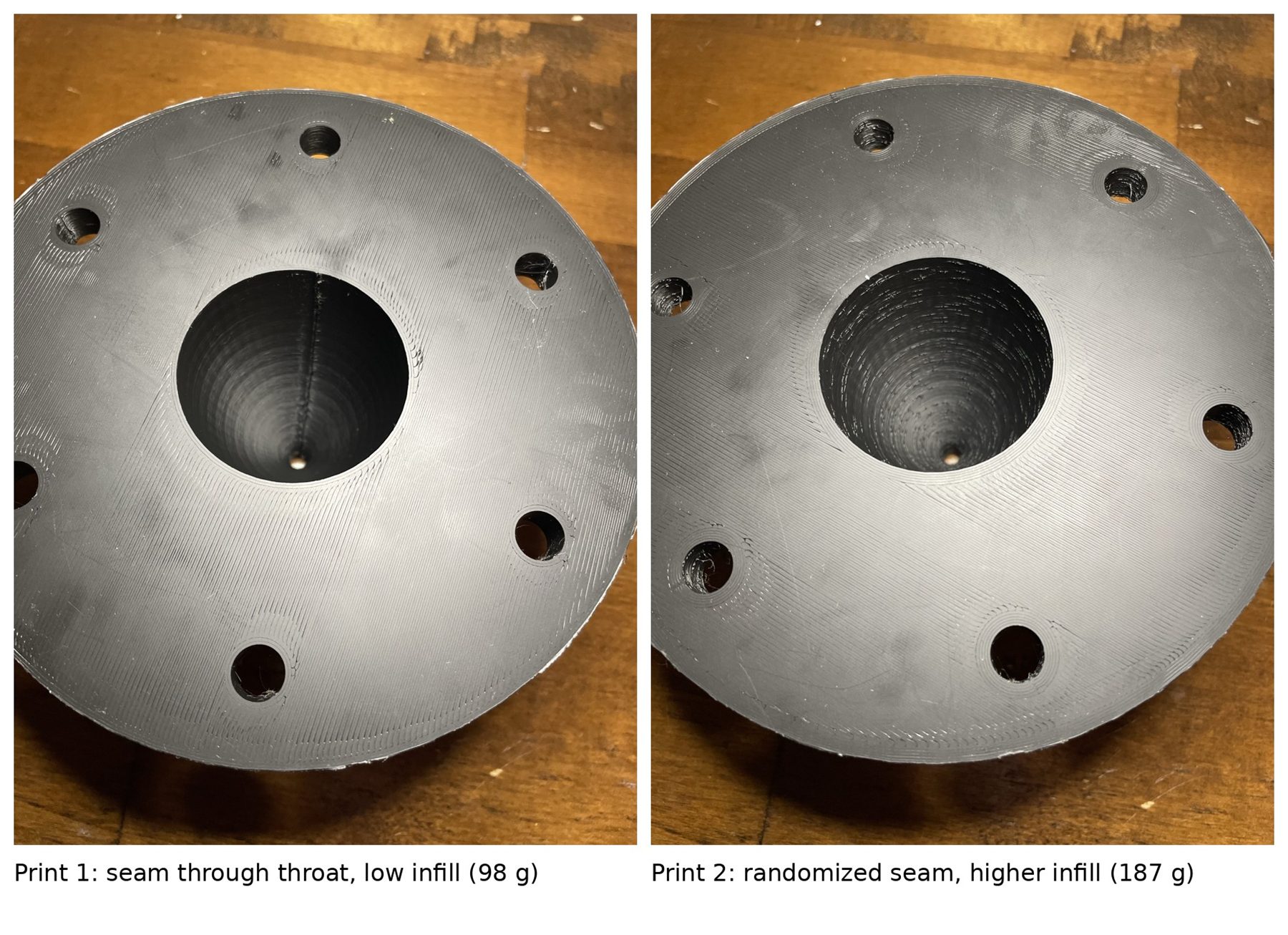
UT supersonic test facility3D-printed CD nozzle extensionPrint 1: seam down the throat, 98 g · Print 2: randomized seam, 187 g
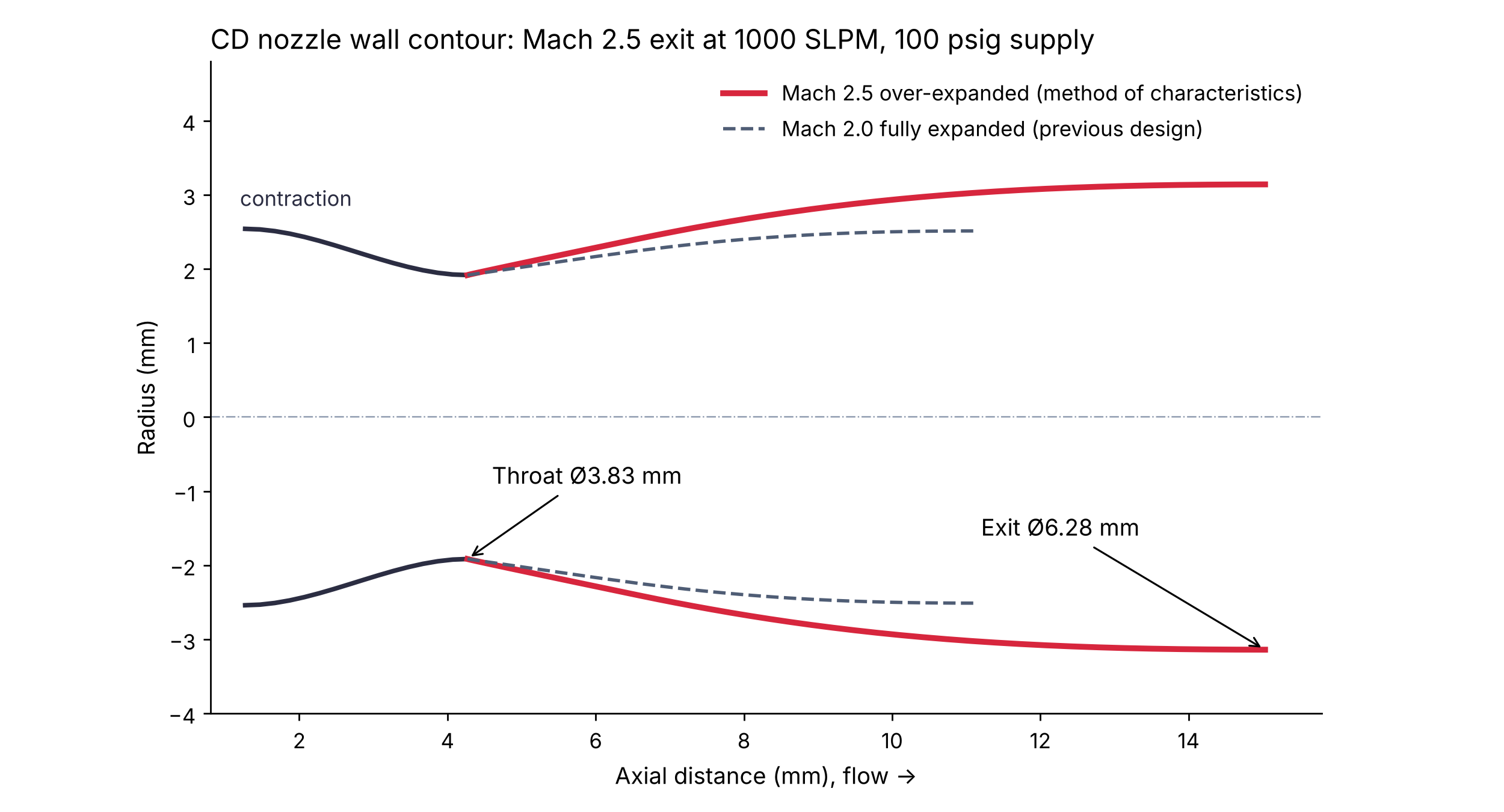
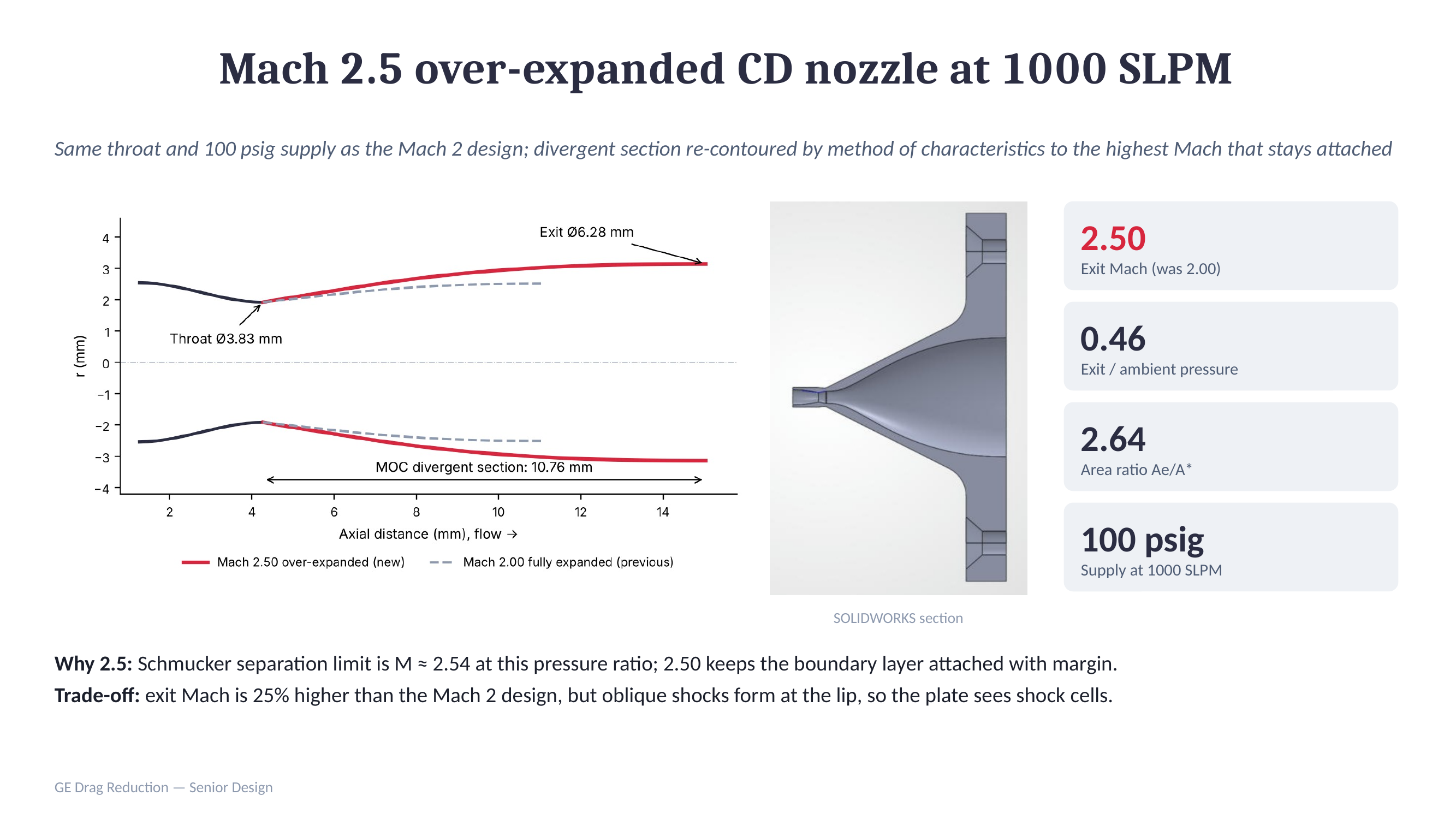
Nozzle design for Mach 2.5 at 1000 SLPM
Supply limits: at a fixed 1000 SLPM, the 3.83 mm throat sets the supply at the stand's 100 psig limit.
Exit Mach: getting more Mach from the same flow means over-expanding. The Schmucker flow-separation criterion gives the highest attached exit Mach (about 2.54), so I designed for Mach 2.5.
Wall contour: axisymmetric minimum-length contour by the method of characteristics: 60 characteristics, wall placed by mass-flow conservation, laminar boundary-layer correction. Matches the isentropic area ratio within 0.01% and reproduces our earlier Mach 2.0 design.
CAD: built in SolidWorks with a macro. Watertight STL checked for SLA printability (no internal overhangs worse than 30° from vertical).
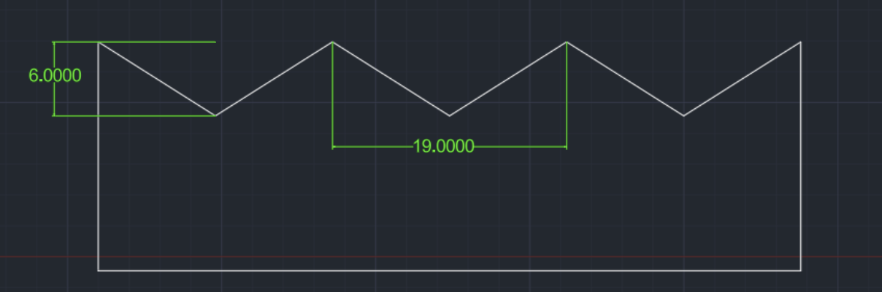
Geometry: 6 µm × 19 µm V-groove riblets sized for the nozzle jet.
Method: compressible flat-plate model (Eckert reference temperature plus turbulent skin-friction correlations) combined with published riblet scaling (García-Mayoral & Jiménez, 2011).
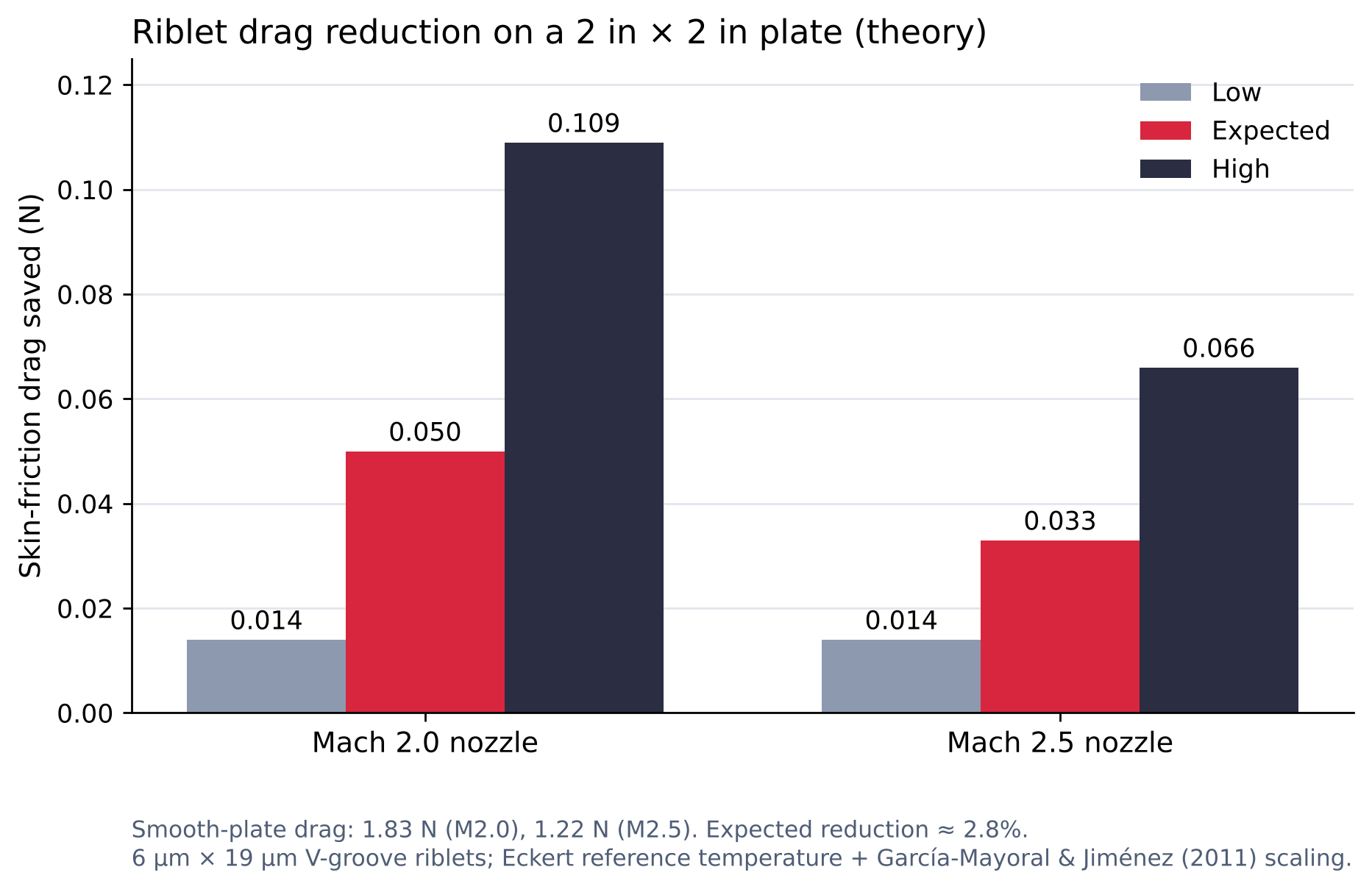
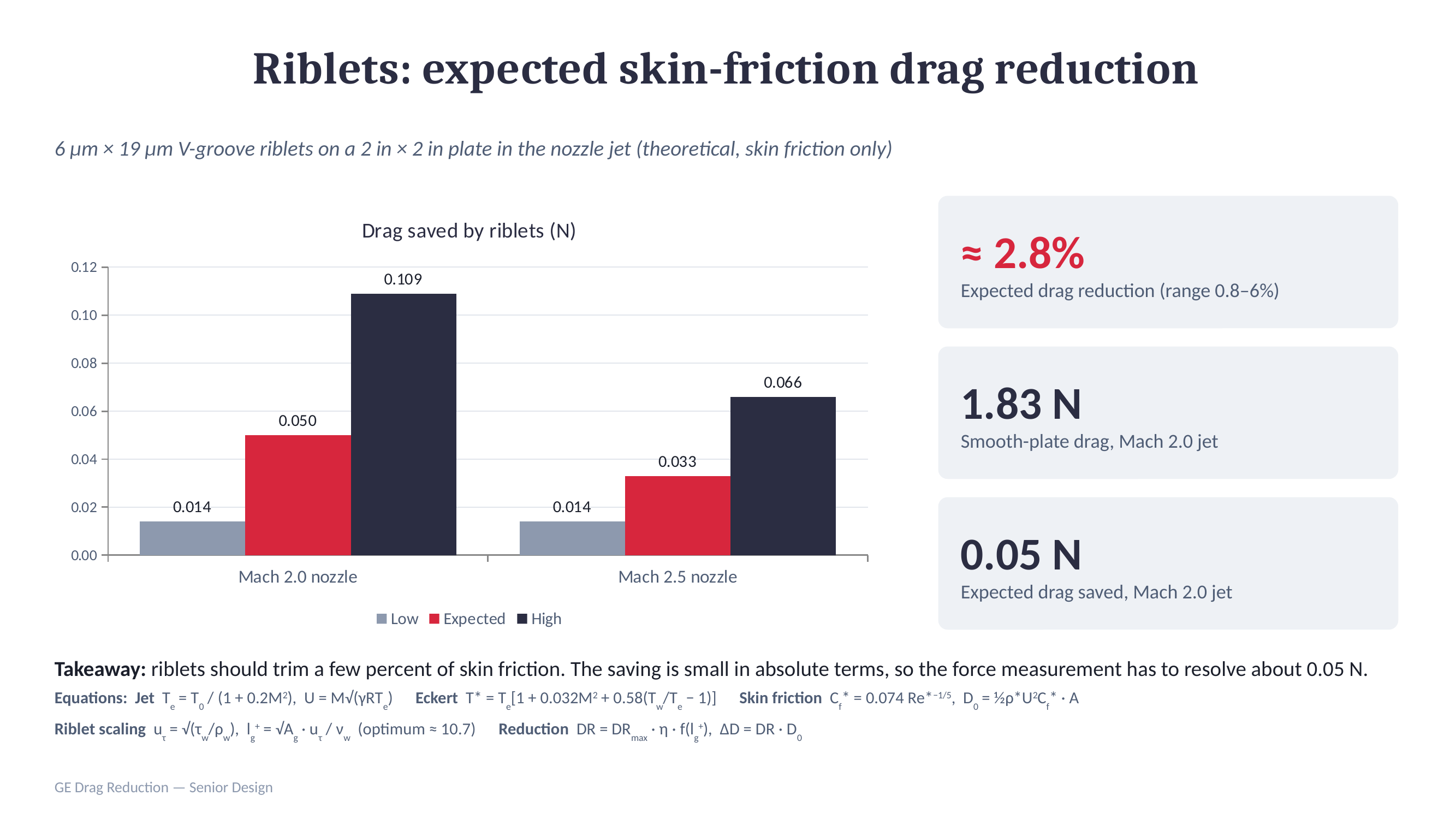
Result: about 2.8% skin-friction reduction, roughly 0.05 N on a 1.83 N baseline. Resolving a force that small is the main measurement challenge.
~2.8%skin-friction reduction
0.05 Non a 1.83 N baseline
6 × 19 µmV-groove riblets
Riblet profile (µm)Expected drag reduction
Riblet drag summary
Project management
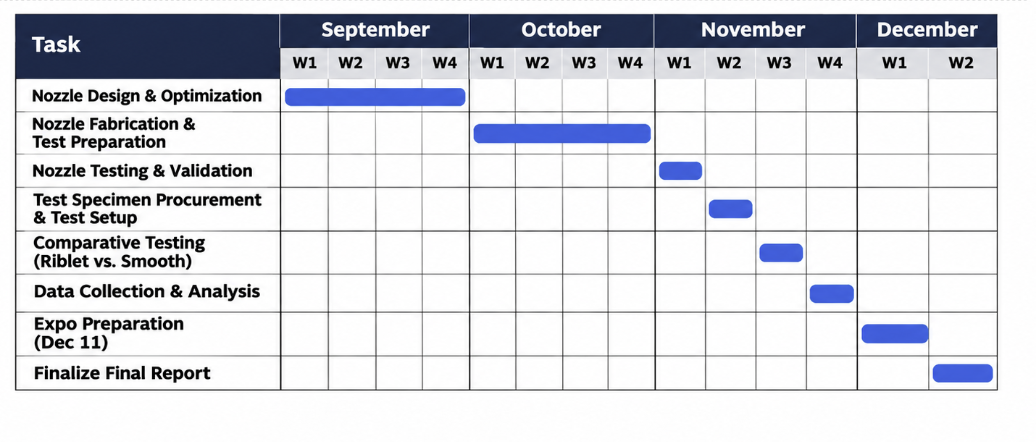
Client requirements matrix, semester Gantt timeline and a budget estimate: FDM nozzle printing at no cost, and about $2,000 in quotes for the micron-scale riblet specimen.
Facility, printed-nozzle, print-iteration, riblet-profile and timeline images are the work of the Project 18 team: Noah Bittel, Jonathan Baughey, Ben Brunswick and Conor Cooper.
Jonathan Baughey ◦ Projects
Personal CAD project · SolidWorks 2026
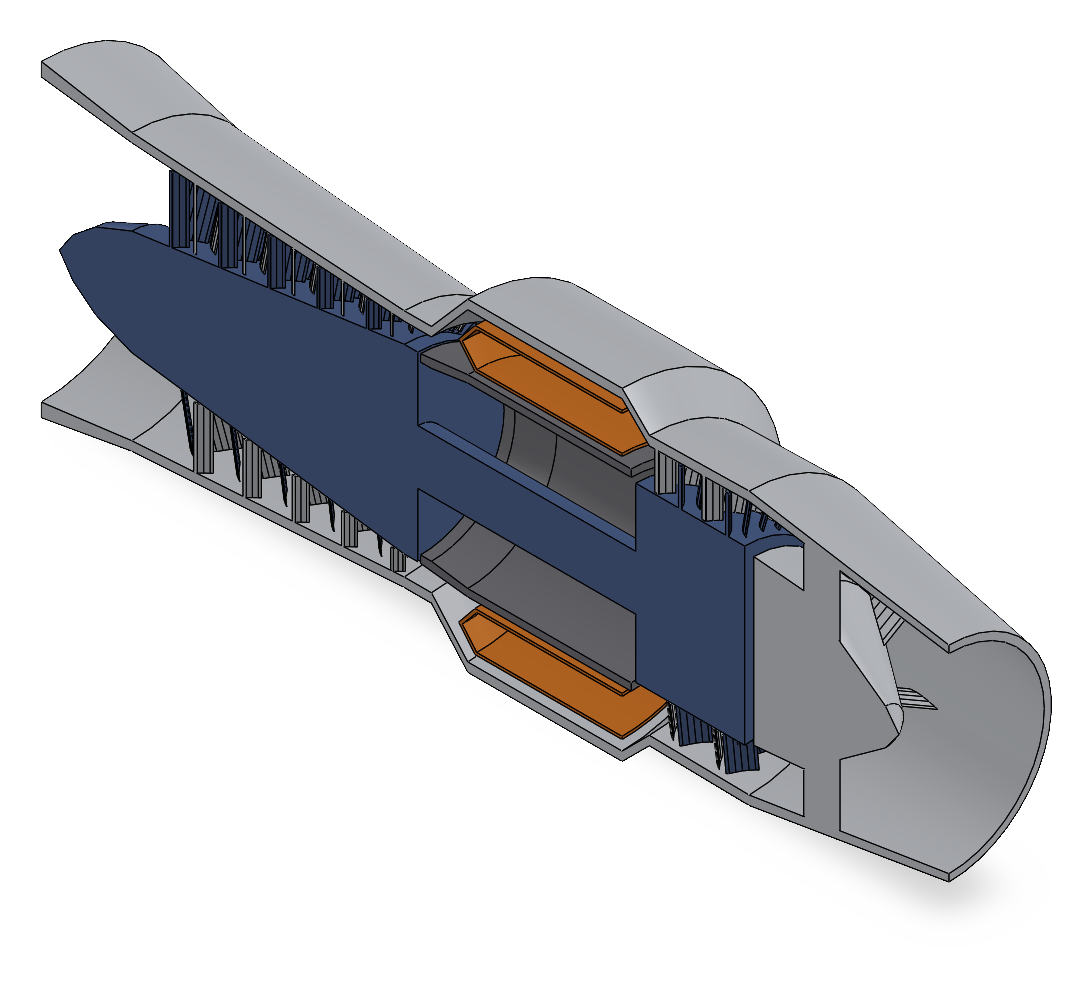
Single-Spool Axial Turbojet
ToolSolidWorks 2026, macro / API
Size≈ 1 m long, 356 mm diameter
ModelMultibody part generated by a macro
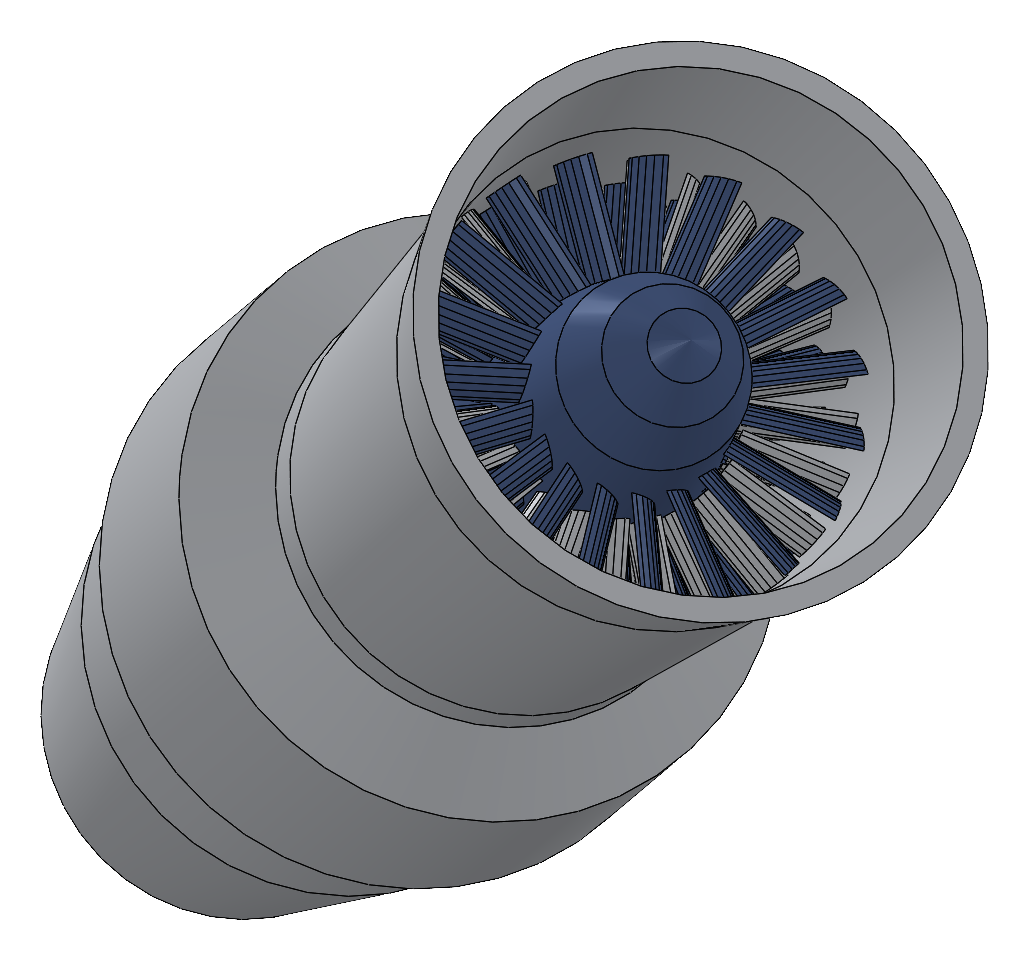
Half-section through the engine axis
What's in the model
5-stage axial compressor with cambered, staggered rotor and stator airfoils
Annular combustor liner and inner diffuser casing
2-stage axial turbine (nozzle guide vanes and rotors)
Convergent nozzle with a tail cone and 6 exhaust struts
6-DOF Flight Simulation with FlightGear Visualization
StackPython, FlightGear 2024, UDP
Rate30 Hz state stream
ControlsModel predictive control
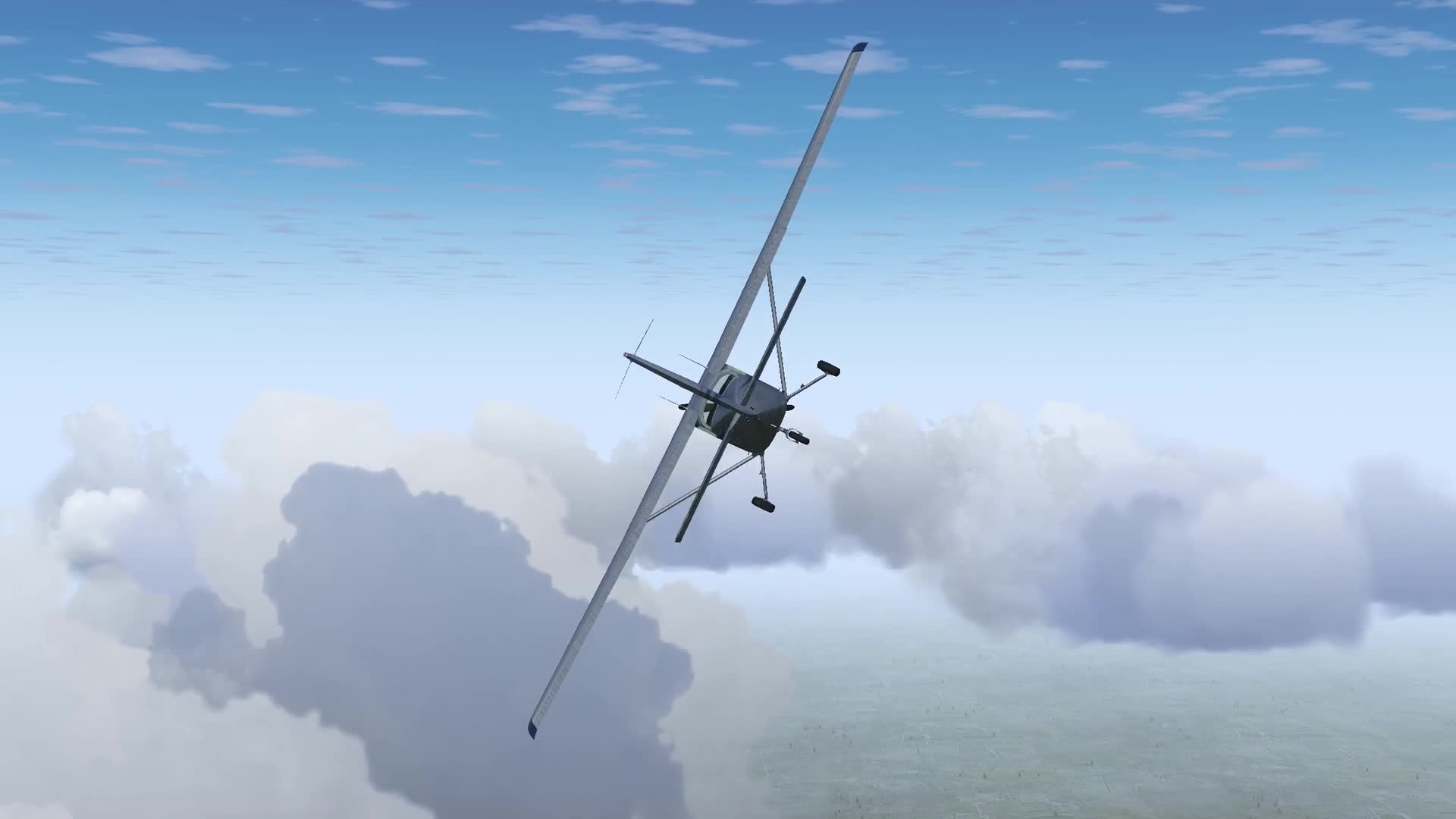
Third-person replay, 45 s, 1080p
6-DOF replay
A six-degree-of-freedom aircraft trajectory is converted from local NED coordinates to latitude, longitude and altitude and streamed to FlightGear over UDP at 30 Hz. Position, attitude and control-surface motion all come from the Python simulation.
Also in the project
Coordinate transforms
A quadratic-programming solver
Model predictive control of longitudinal dynamics: altitude and speed tracking within throttle and elevator limits